
VETERANS DAY · INSIDE THE MUSEUM
November 11, 2026 · Pressing On · The History of Our First 125 Years · The French Museum
The Roll of Honor in The French Museum names the employees of The French Oil Mill Machinery Company who left the shop in Piqua, Ohio, for the armed forces in the First and Second World Wars. Their names are set in brass under glass, World War I on the left and World War II on the right, and some of them belong to families still known on the floor today. The board’s own inscription puts it plainly: they answered the call to the colors. On Veterans Day, November 11, 2026, we read the names again.
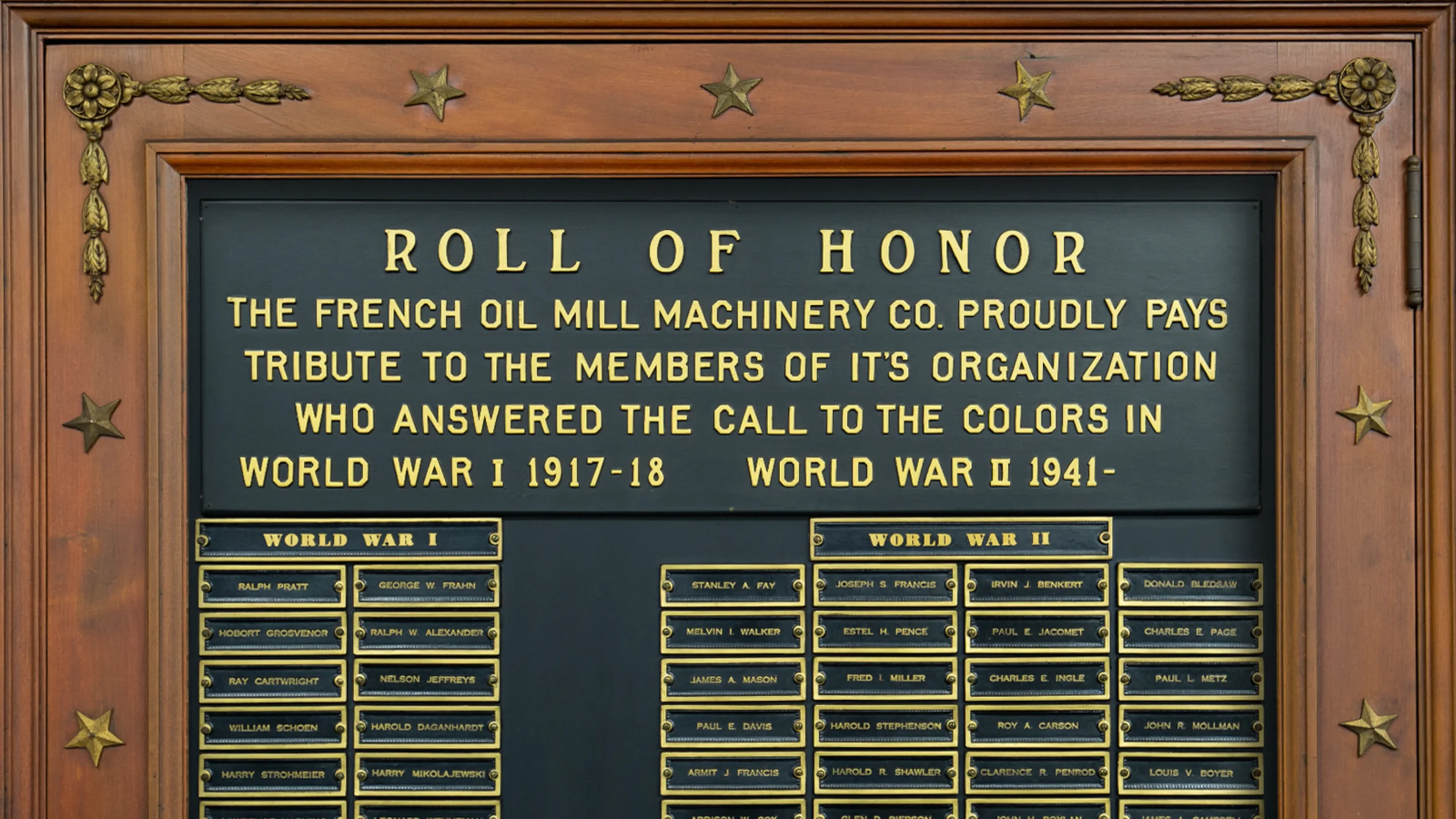
FIG. 79 · 2025. The Roll of Honor. Employees who answered the call to the colors in World War I and World War II, named in brass. The board hangs in the museum today.
The Shop They Left
The company kept working while they were gone. In 1941 French Oil built hydraulic barrel straighteners for repairing large naval gun barrels. In 1943 the federal government classified the plant as one hundred percent essential war work. The men on the board came home to a shop that had spent the war straightening the Navy’s guns.
1941
Hydraulic barrel straighteners for large naval gun barrels.
1943
Plant classified one hundred percent essential war work.
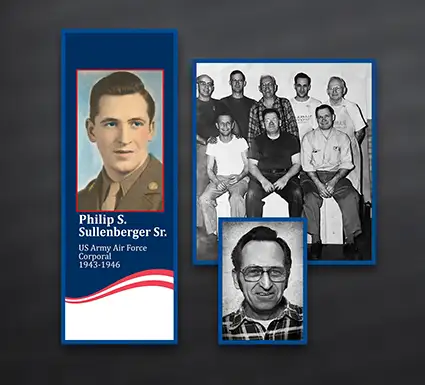
FIG. 77 · Frank and Philip Sullenberger, father and son. Frank served in France with the 485th Aero Squadron in the First World War; Philip was an Army Air Forces corporal in the Second. Both came home to the pattern shop.
Frank and Philip Sullenberger
Two of the brass plates belong to a father and son. Frank Sullenberger went to France with the 485th Aero Squadron in the First World War and came home a corporal. A generation later his son Philip served in the Second as an Army Air Forces corporal. Both came back to the pattern shop, where they carved the wooden forms that French castings were poured from. A pattern had to be more exact than the part, because any error in the wood repeated in every casting made from it. That was the trade they returned to.
Daniel P. French
Daniel P. French, the founder’s grandson, graduated from Princeton University in 1966 and went straight into the Air Force, which sent him to Vietnam to install computers. The computers never arrived. He taught guerrilla warfare and intelligence tactics in a Special Operations unit instead, and earned the rank of Captain. In 1971 he came home to the company and did not start in the front office. He started on the factory floor as a machine tool operator, and he stayed in the Air Force Reserve another twenty-three years, retiring as a Lieutenant Colonel in 1994. He became President in 1982 and CEO in 1985, and he led French Oil for four decades. Two photographs from his service years hang beside the Roll of Honor, and his medals are displayed in the museum. He served his country first, then the works his grandfather founded.
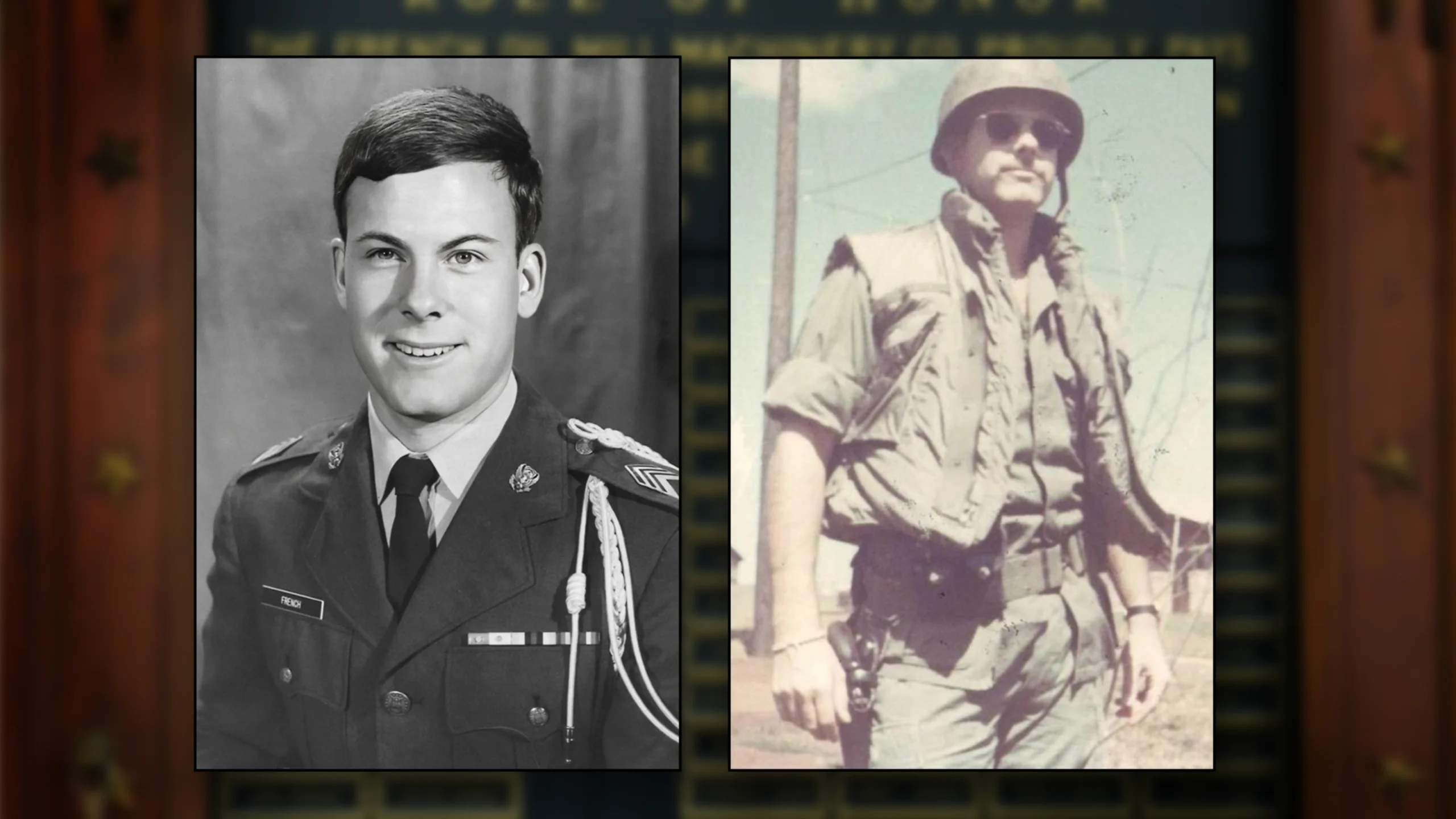
FIG. 78 · Lieutenant Colonel Daniel P. French, U.S. Air Force Reserve (Retired). Both photographs are from his service years. He taught special operations tactics as a Captain before coming home to the company in 1971.
The Work That Continued
The defense work never stopped. French Oil presses have shaped components for aircraft, ground vehicles, and naval vessels, and in 2015 we custom-designed Vision Series 100-ton hydraulic presses for manufacturing components used in U.S. submarines. Service, at French Oil, means both kinds: the uniform, and the machine behind it.
Service, at French Oil, means both kinds: the uniform, and the machine behind it.
WITH THANKS
Our thanks today go to the names on the board, to every French Oil employee who served in the conflicts since, to the veterans working throughout the company now, and to the families who waited.
PRESSING ON · The History of Our First 125 Years